Powered by ACCPA
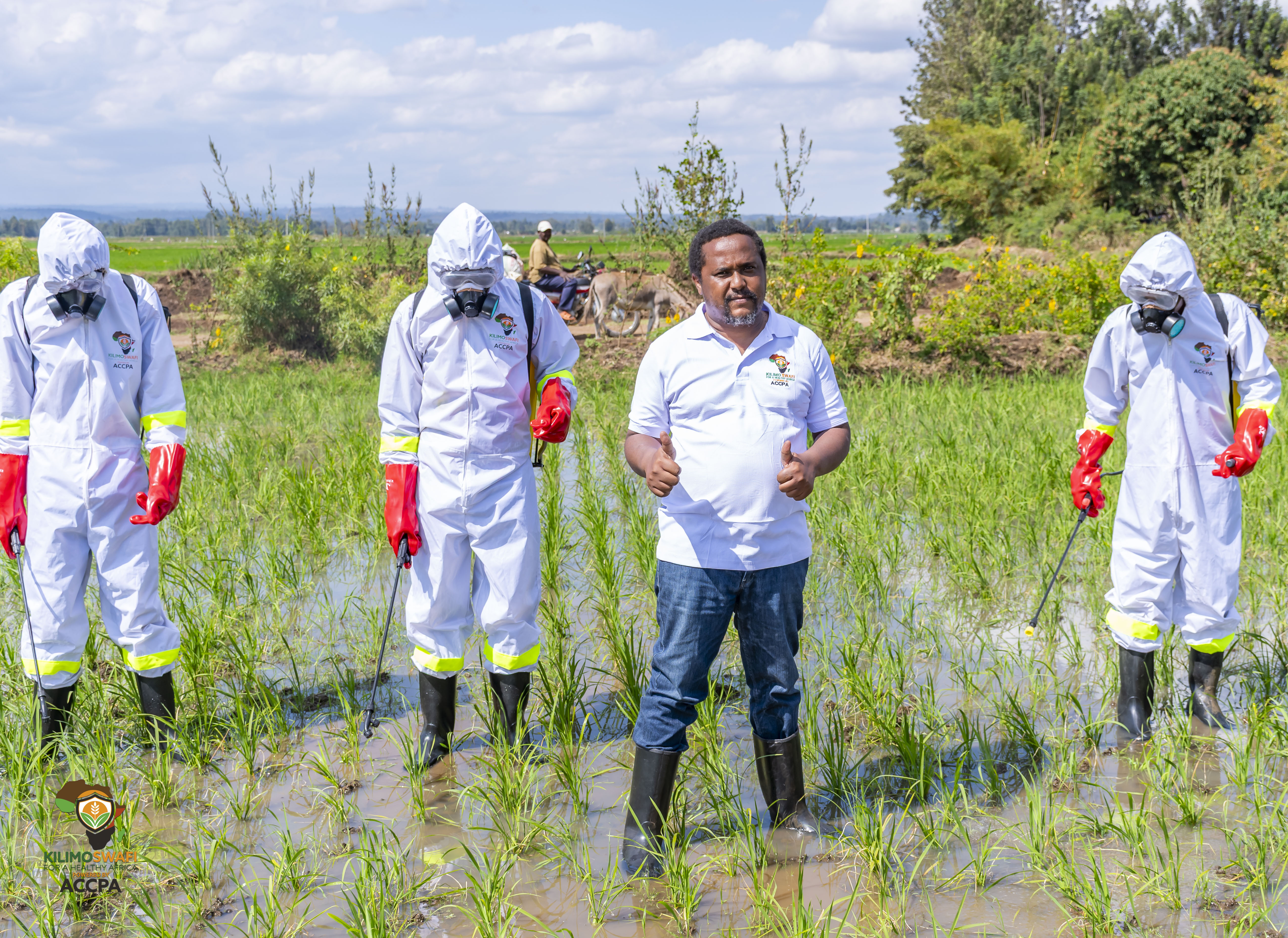
Farming is vital to food production, but it also comes with risks. The health of the soil, water, and workers is directly linked to safe farming practices. Proper safety measures reduce the risk of injury, illness, and environmental harm.
Powered by ACCPA
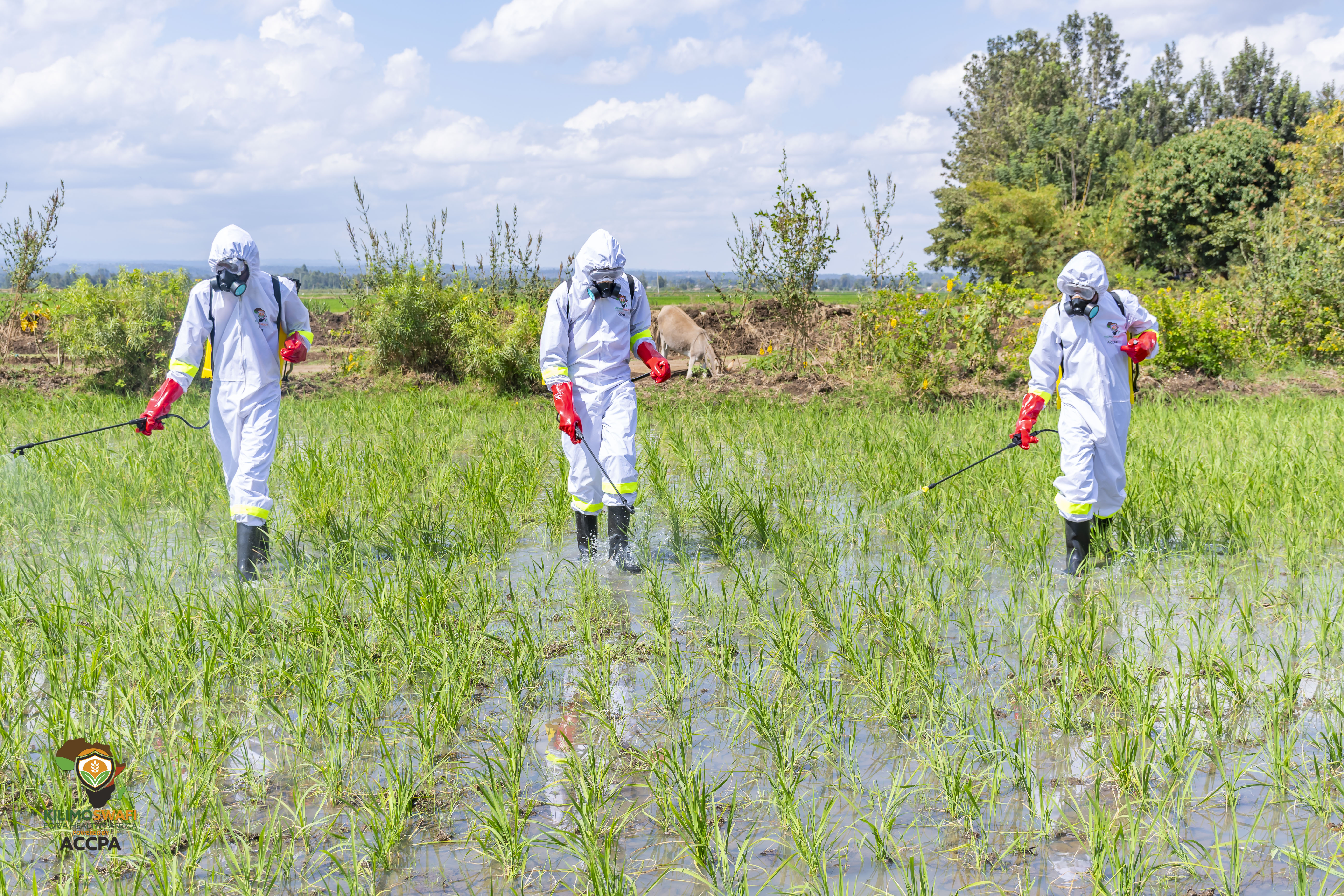
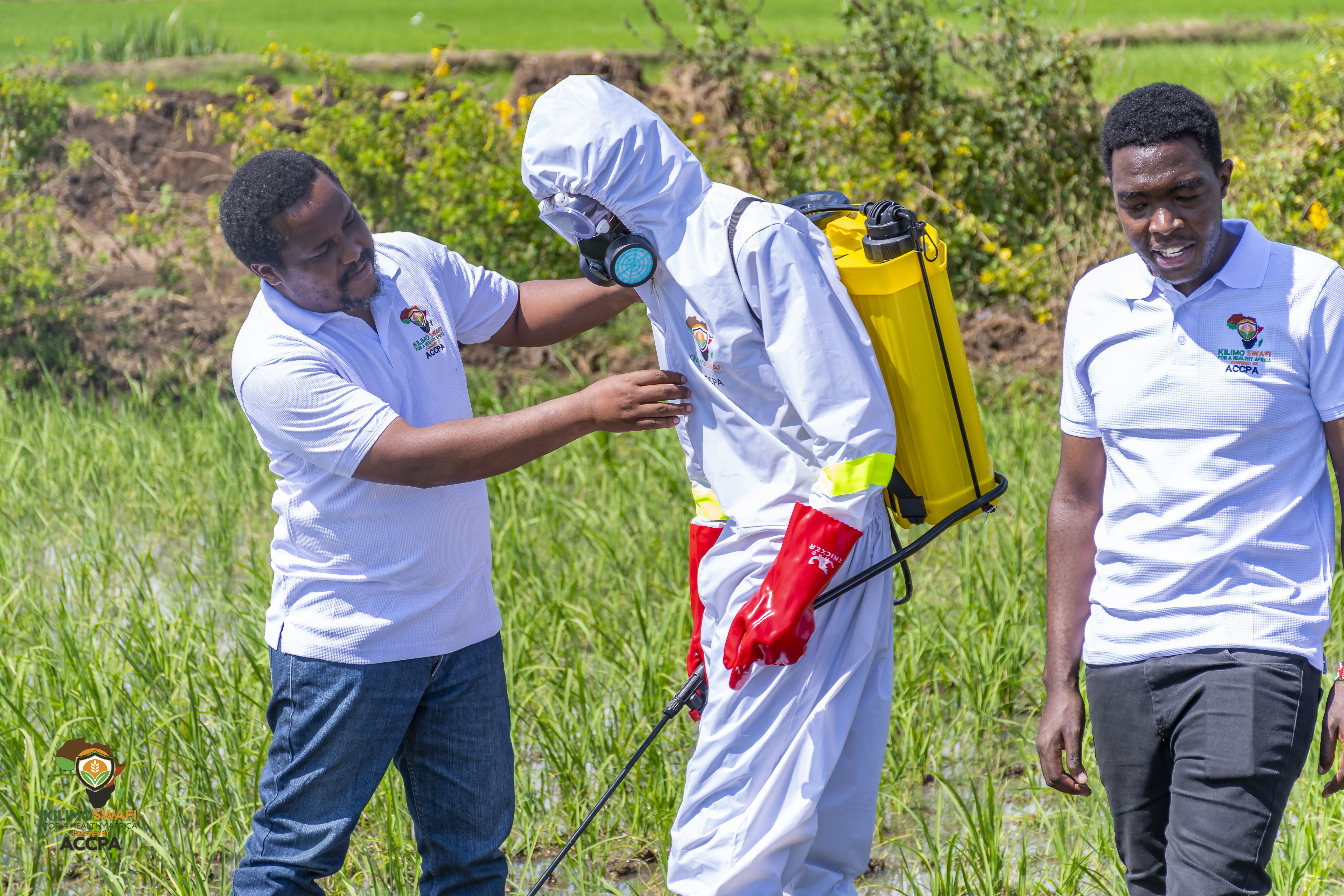
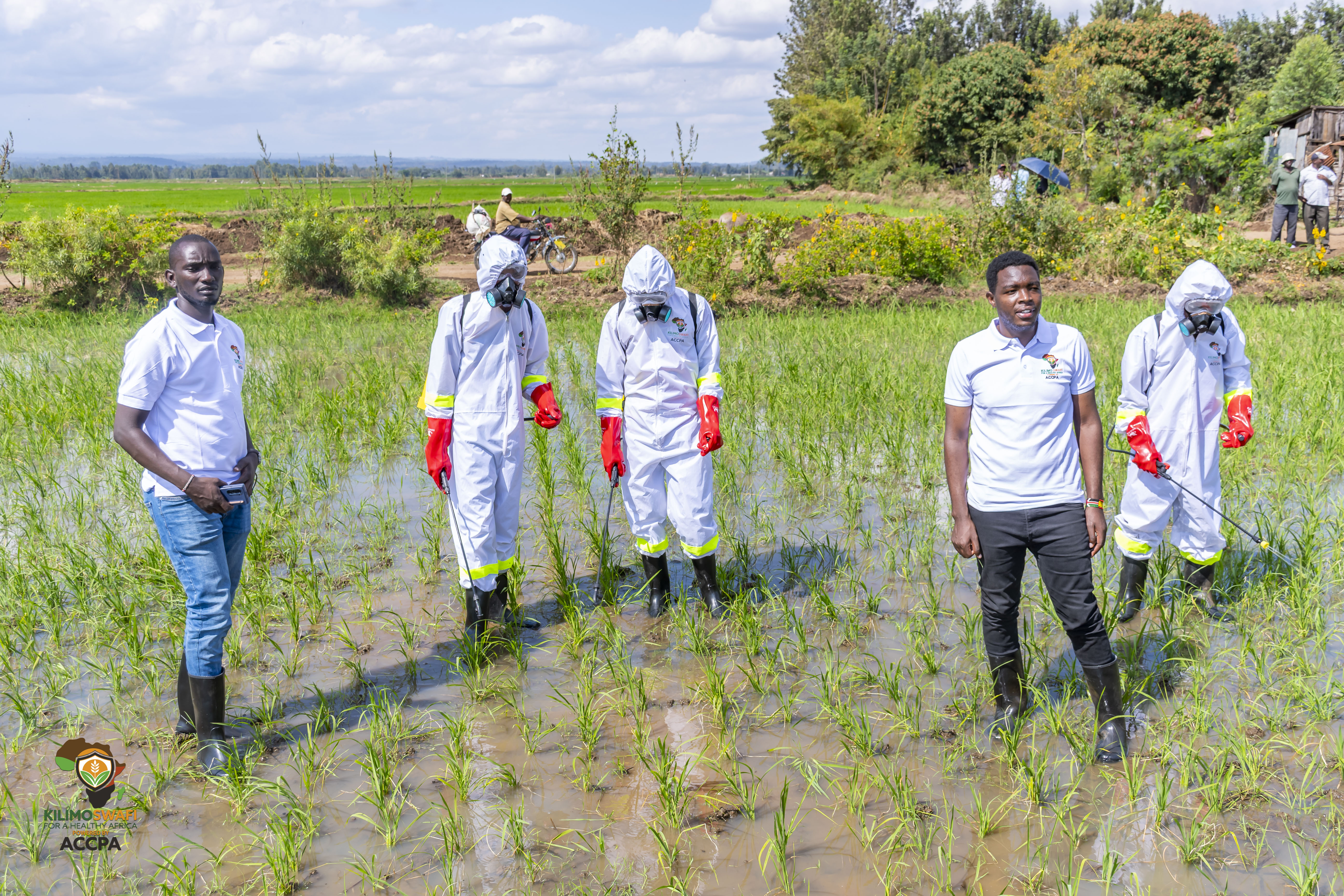
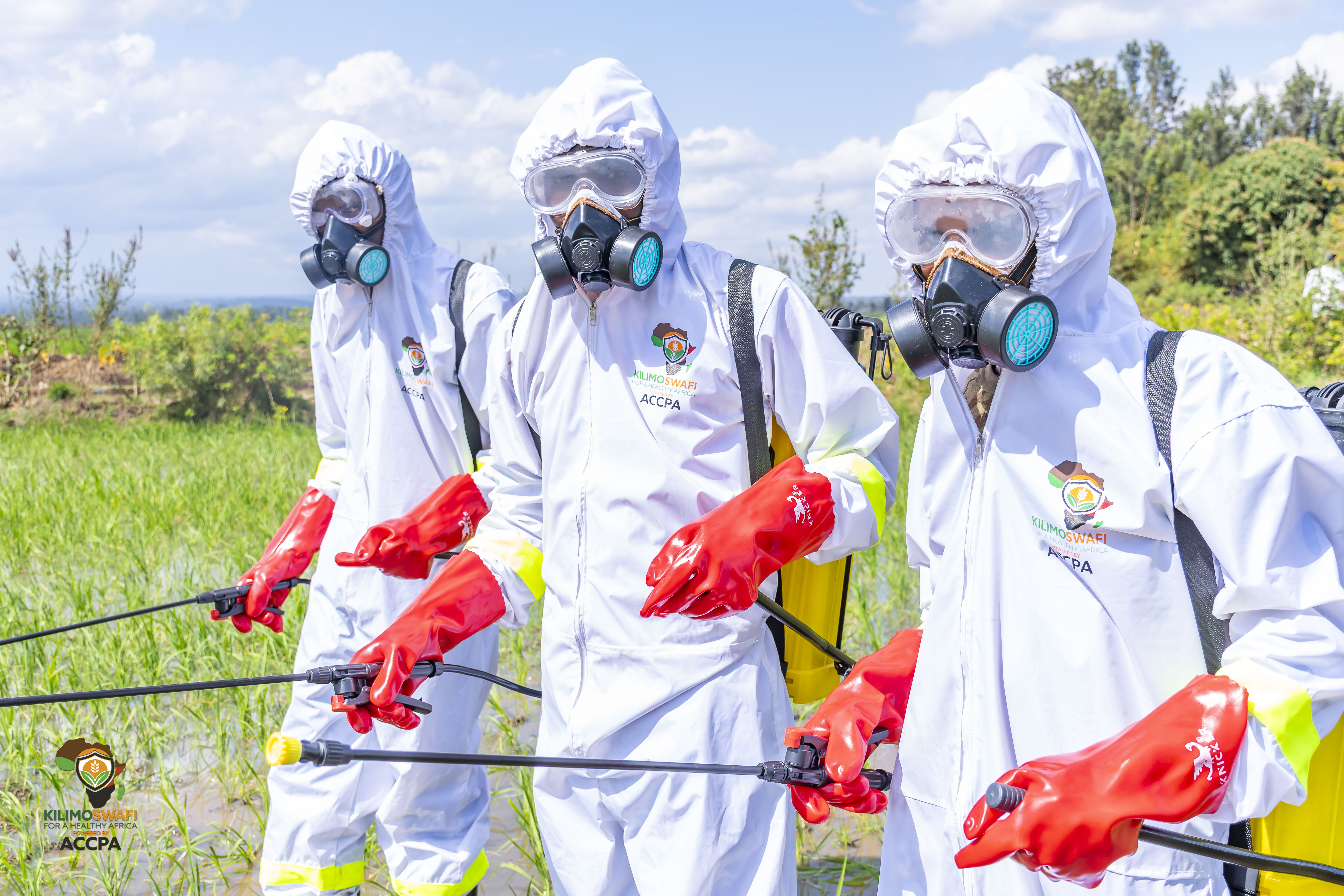
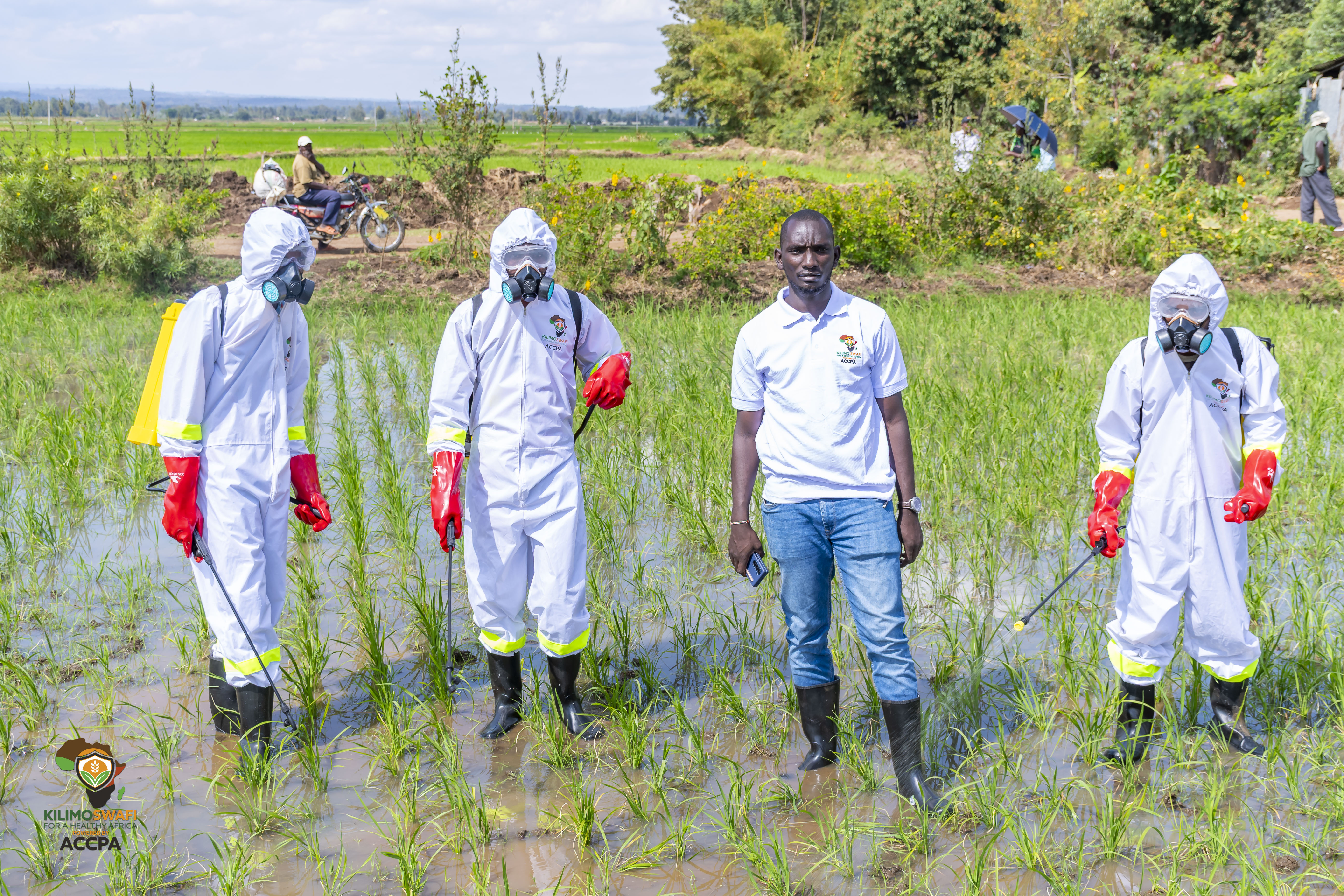
1. Wear appropriate PPE such as gloves, masks, goggles, and boots.
2. Ensure protective clothing is durable and fitted to prevent exposure to chemicals.
3. Regularly inspect and maintain your PPE.

Powered by ACCPA
1. Always follow the manufacturer’s instructions.
2. Mix chemicals in well-ventilated areas away from food and water sources.
3. Store chemicals securely and away from children and animals.
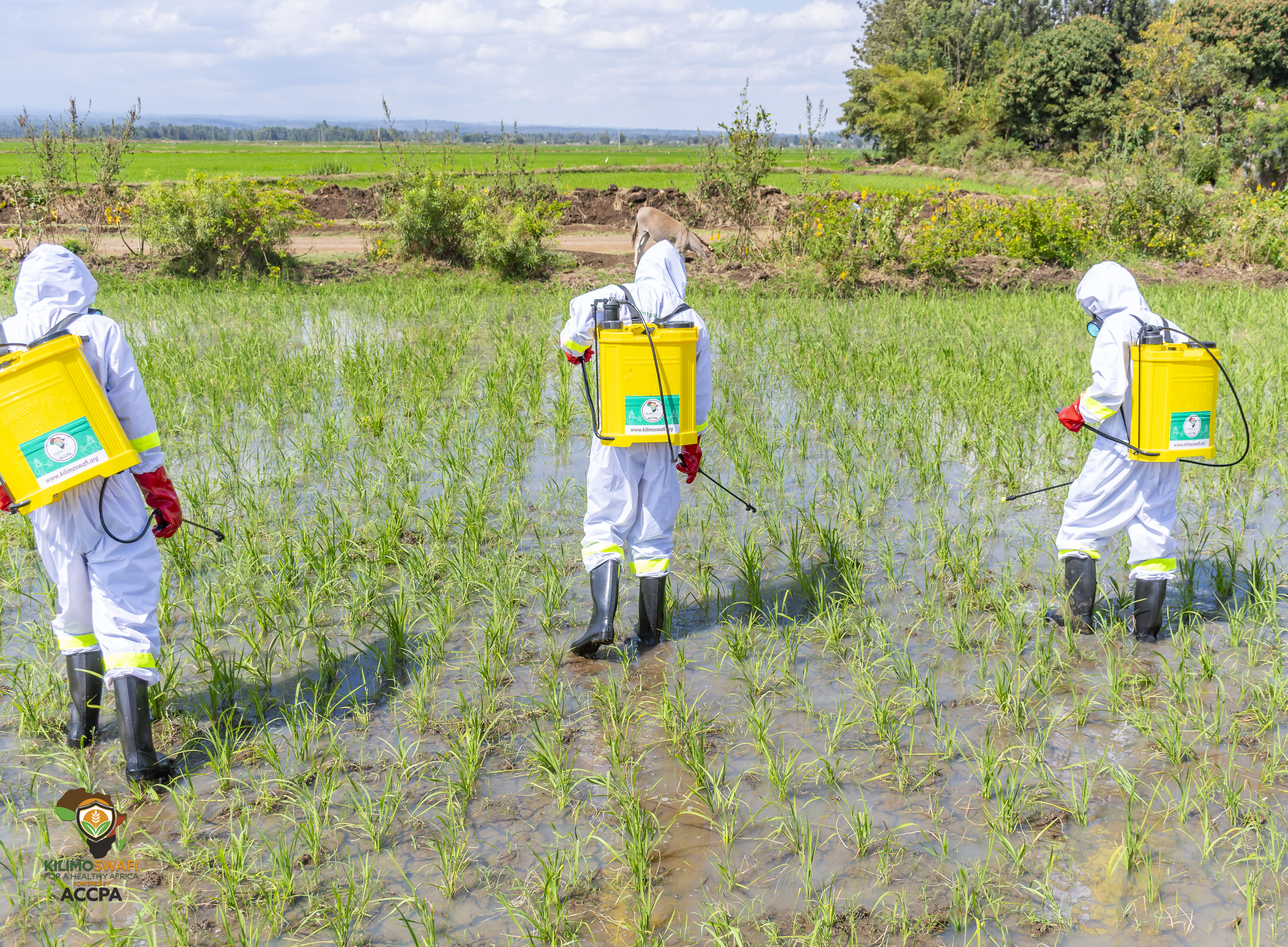
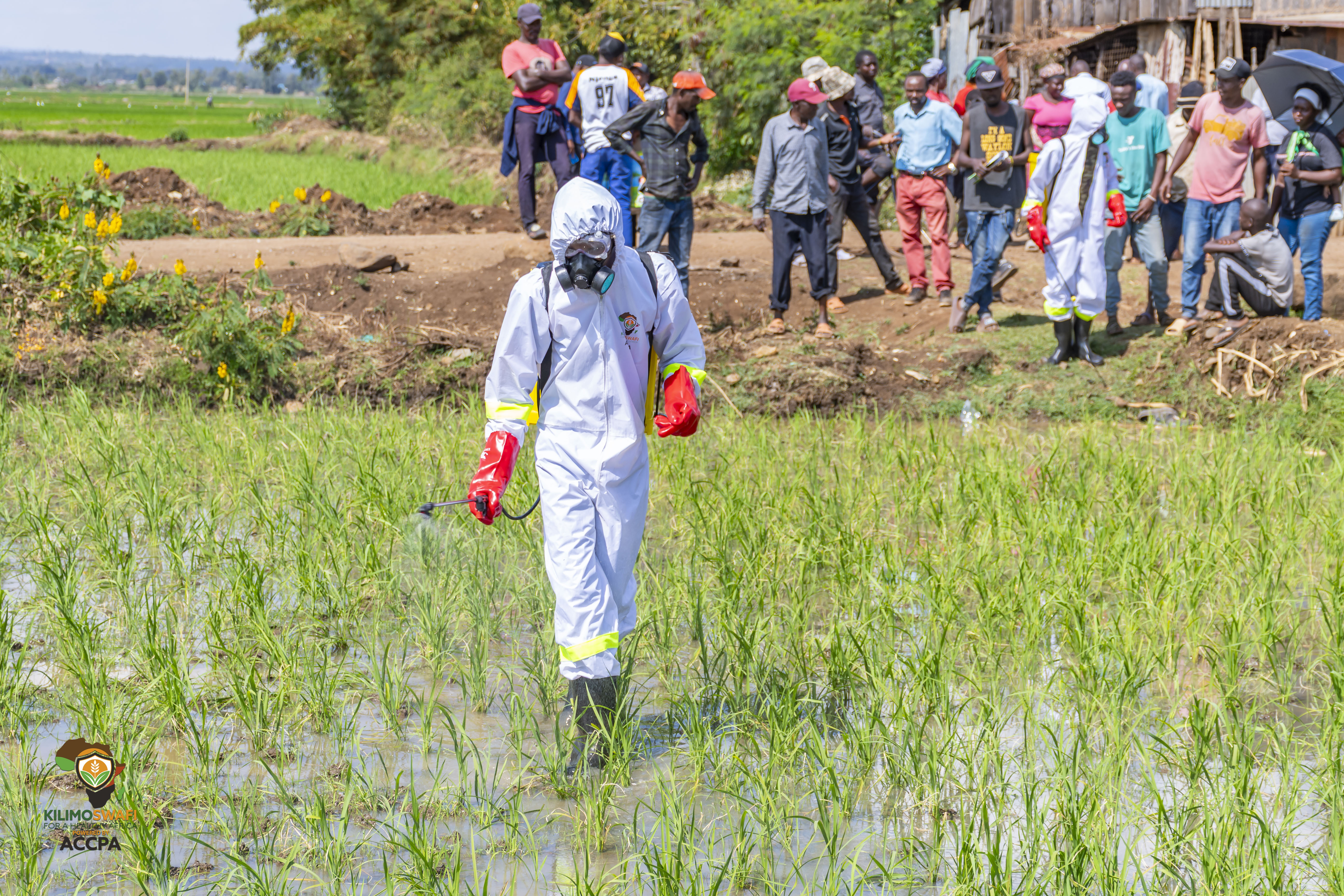
4. Use sprayers with proper settings and wear full protective gear.
Powered by ACCPA
1. Apply pesticides during calm weather to prevent drift.
2. Avoid spraying when pollinators are active.
3. Never spray on windy days.
4. Maintain buffer zones around crops and water sources.

Powered by ACCPA
1. Evacuate the area immediately and avoid breathing fumes.
2. Contain the spill using absorbent materials if safe.
3. Wash exposed skin with soap and water.
4. Notify authorities for proper disposal.
Powered by ACCPA
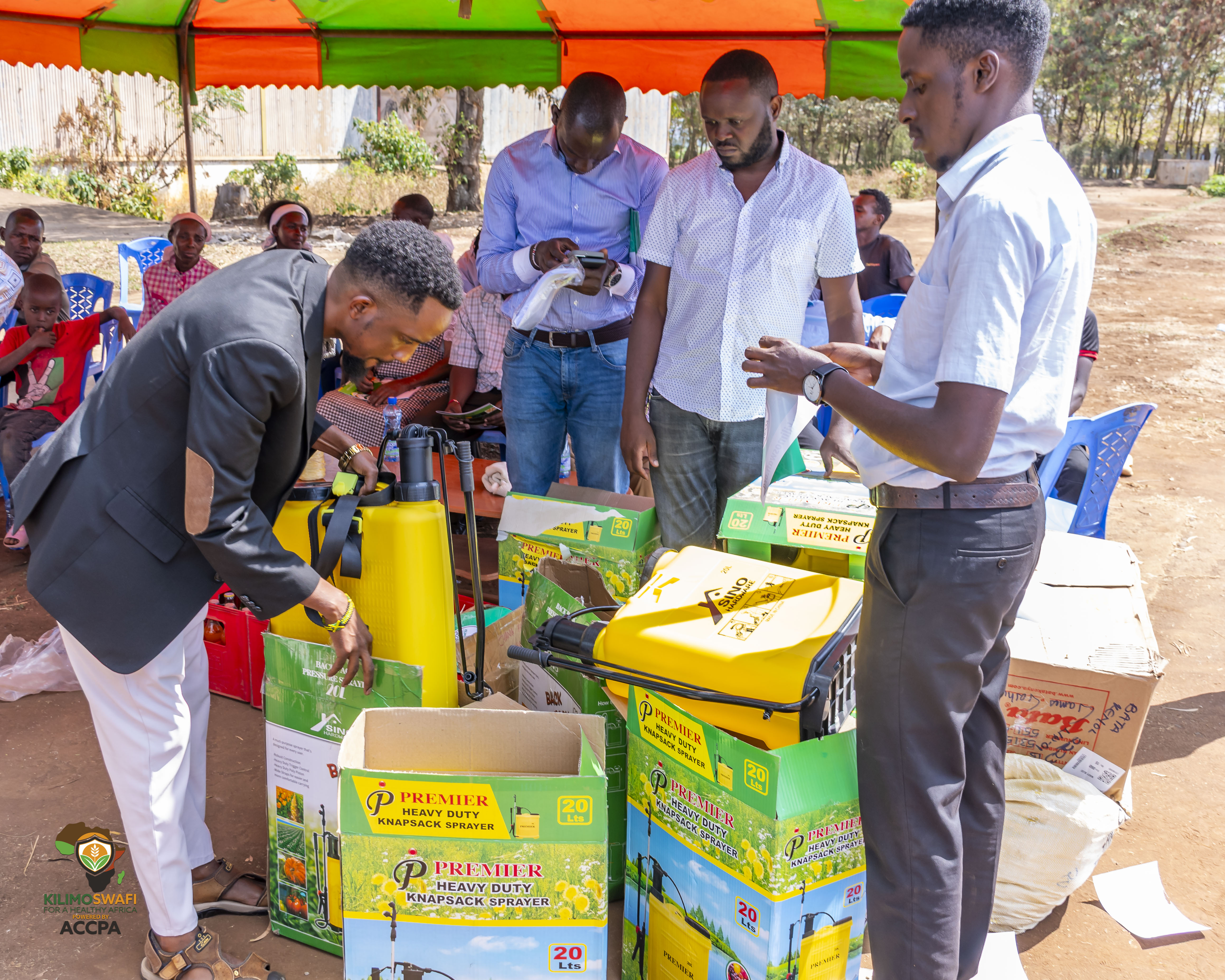
1. Store chemicals in a locked, dry, and cool area away from living spaces.
2. Inspect storage regularly for leaks or rust.
3. Keep storage organized to prevent accidents.
Powered by ACCPA
1. Keep fire extinguishers and hoses easily accessible.
2. Turn off and store machinery properly after use.
3. Avoid burning fields on windy days.
Powered by ACCPA
1. Handle animals calmly and confidently.
2. Maintain strong fencing.
3. Wear helmets or boots when working with large animals.

Powered by ACCPA
1. Maintain all farm vehicles regularly.
2. Follow road and safety rules.
3. Train workers to operate machinery safely.
Powered by ACCPA
1. Avoid overuse of fertilizers.
2. Enrich soil with compost and organic matter.
3. Test soil regularly to monitor nutrients.
Powered by ACCPA
1. Keep water sources clean and free from runoff.
2. Use safe irrigation techniques.
3. Ensure proper drainage to prevent waterlogging.
Powered by ACCPA
1. Use natural pest control methods.
2. Apply pesticides only when necessary.
3. Encourage beneficial insects.

Powered by ACCPA
1. Conduct regular safety training sessions.
2. Share best practices for chemical safety and environmental protection.
3. Raise awareness about farmers’ health and safety.

Powered by ACCPA
1. Adopt sustainable farming practices like agroforestry and permaculture.
2. Minimize harmful chemical use.
3. Focus on soil and water conservation.

Powered by ACCPA
1. Take regular breaks, especially during hot weather.
2. Stay hydrated and wear sun protection.
3. Get regular health check-ups.

Powered by ACCPA
1. Farming can be stressful—rest and recharge often.
2. Build a supportive environment with peers.
3. Seek professional help if stress becomes overwhelming.

Powered by ACCPA
1. Understand local farming regulations.
2. Report unsafe practices.
3. Join farmer organizations to stay informed.

Powered by ACCPA
1. Apply these safety guidelines to promote well-being.
2. Share your knowledge with others.
3. Work together for a safer, healthier agricultural future.